allisles.com
Guadeloupe
allisles.com
Guadeloupe

Guadeloupe: Complete Caribbean Travel Guide
Visa Free
Last updated:
Quick Facts
- Visa Required: No (visa free for most nationalities)
- Currency: Euro (EUR)
- Language: French, Guadeloupean Creole
- Best Months: December, January, February, March, April, May
- Average Temperature: 27°C (81°F)
- Location: Lesser Antilles, France
- Airport: Pointe-à-Pitre International Airport (PTP)
About Guadeloupe
Best forAll travelers seeking authentic Caribbean culture and natural beauty
Guadeloupe is a French overseas region in the Lesser Antilles. The island sits at coordinates 16.265, -61.551 in the eastern Caribbean Sea. This archipelago covers 1,628 square kilometers and has a population of 384,000 people. Guadeloupe consists of two main islands connected by a narrow channel called the Saline River.
The butterfly-shaped island earned its nickname "Papillon" from locals. Basse-Terre forms the western wing with volcanic mountains and lush forests. Grande-Terre creates the eastern wing with flatter terrain and stunning beaches. The two islands offer completely different experiences for visitors.
French influence shapes everything you see here. Colonial architecture lines the streets of Pointe-à-Pitre, the largest city. You hear French in shops, food-restaurants, and government offices. But Guadeloupean Creole fills local conversations with warmth and character. This blend of French sophistication and Caribbean soul makes Guadeloupe unique.
The people here embrace their mixed heritage proudly. African ancestry, French colonialism, and Caribbean traditions merge into one vibrant culture. You taste it in the food. You hear it in the music. You feel it in the genuine friendliness of local residents.
Geography and Climate
Guadeloupe sits in a tropical zone with consistent warm weather year-round. Average temperatures hover around 27°C throughout the year. Trade winds keep the air comfortable even during hot months. The island receives rainfall regularly, which keeps vegetation green and lush.
Basse-Terre's interior features the Soufrière volcano and dense rainforests. This region receives more rainfall and stays cooler than Grande-Terre. Hiking trails crisscross the mountains, rewarding visitors with waterfalls and mountain views. Grande-Terre's beaches attract swimmers, divers, and water sports enthusiasts year-round.
PRO TIP: Pack lightweight, breathable clothing, strong sunscreen, and a light rain jacket. Afternoon showers are common but brief. The trade winds make humid days feel pleasant.
Why Visit Guadeloupe

Best forBeach loversdiversculture enthusiastsand adventure seekers
Guadeloupe delivers experiences that appeal to many different travelers. The island combines Caribbean relaxation with French cultural sophistication. You can dive into coral reefs in the morning and enjoy fine dining in the evening. This versatility makes Guadeloupe special.
The beaches rank among the Caribbean's finest. Plage de la Malendure on Basse-Terre offers calm waters perfect for families. Plage de Cliny near Sainte-Anne provides soft sand and excellent snorkeling. Plage de Deshaies presents a picturesque bay with restaurants and water sports. Each beach has its own character and charm.
Scuba diving opportunities abound around Guadeloupe. The Cousteau Underwater Park near Basse-Terre protects coral reefs and marine life. Divers see colorful fish, sea turtles, and intact coral formations regularly. Both beginners and experienced divers find suitable dive sites. Water visibility reaches up to 50 meters on good days.
Cultural Attractions and Food
Guadeloupe's culture comes alive through its music, festivals, and cuisine. Carnival celebrations transform the streets with parades, music, and colorful costumes. Local bands play traditional zouk music in restaurants and clubs. Dance performances showcase the island's African heritage beautifully.
The food scene reflects French technique meeting Caribbean ingredients. Fresh seafood appears on every menu. Local chefs prepare conch, lobster, and fish with creole spices. You must try accras (fried fish balls), boudin (creole sausage), and colombo (curry stew). Street vendors sell these dishes at markets throughout the islands. Markets themselves are worth visiting for the sensory experience alone.
Museums and historical sites tell the story of Guadeloupe's complex past. The Memorial ACTe museum in Pointe-à-Pitre documents the slave trade and its aftermath. Visitors learn about the people who built this island. Fort Fleur d'Épée near Gosier presents 18th-century military architecture and island views.
PRO TIP: Visit the Pointe-à-Pitre market early in the morning. You'll find the freshest produce, local crafts, and authentic creole food. Bring cash and arrive before 9 AM for the best selection.
Guadeloupe for Families
Best forFamilies with children of all ages seeking safeeducational experiences
Families thrive in Guadeloupe thanks to calm beaches, engaging activities, and welcoming locals. The island feels secure and child-friendly throughout. Parents can relax while kids make memories.
Beach days appeal to all ages. Plage de la Malendure provides shallow, protected waters perfect for young swimmers. Lifeguards watch over many popular beaches during peak season. Kids enjoy building sandcastles while parents read in the shade. Afternoon breezes keep everyone comfortable even during hot months.
Water activities keep families entertained. Kids love snorkeling to see colorful fish in shallow reefs. Many resorts and beach clubs offer beginner snorkeling lessons. Glass-bottom boat tours show marine life without getting wet. Families with teenagers enjoy kayaking through mangrove forests and paddle boarding.
Kid-Friendly Activities
The Aquarium of Guadeloupe in Créole introduces kids to local marine species. Small children enjoy the interactive exhibits and touch pools. Educational displays teach about reef ecosystems. The aquarium stay compact enough to visit in 2 to 3 hours.
Hiking to Carbet Falls rewards families with swimming holes and waterfall views. The trail is moderately easy and takes about 2 hours round trip. Kids love splashing in the pools at the falls. Wear water shoes or sandals that stay on during scrambling. Bring plenty of water and snacks for energy.
The Domaine de Valombreuse offers zip-lining through the rainforest canopy. Courses accommodate different age groups and fitness levels. Guides ensure safety while kids (and adults) experience the thrill. This activity combines adventure, nature, and unforgettable excitement.
Family-friendly restaurants serve both French cuisine and kid favorites. Local pizzerias and casual cafes welcome families with children. Most establishments provide high chairs and smaller portions on request. Fresh tropical fruit appears at every meal, making healthy eating easy.
Guadeloupe for Couples

Best forHoneymoonersanniversary travelersand romantic getaways
Guadeloupe sets the perfect backdrop for romance. Sunset walks on empty beaches, candlelit dinners, and couples' adventures create lasting memories. The island balances relaxation with excitement for both partners.
Luxury resorts cater to couples seeking pampering and privacy. Beachfront suites feature private terraces and ocean views. Spa treatments using tropical ingredients relax tired muscles. Many resorts offer couples' massages by the beach. Romantic dinners can be arranged on the sand with personal service.
Adventure activities appeal to couples wanting shared experiences. Scuba diving together in the Cousteau Underwater Park creates awe and wonder. Exploring volcanic peaks and rainforests satisfies adventurous spirits. Sunset catamaran cruises with champagne provide relaxation and romance simultaneously.
Romantic Experiences
Fine dining reaches high levels in Guadeloupe. French-trained chefs prepare creative menus in elegant settings. Restaurants like Le Lucullus in Pointe-à-Pitre offer exceptional French creole fusion cuisine. Most upscale restaurants provide wine pairings and tasting menus. Reservations are essential, especially during peak season.
Private beach time feels luxurious and attainable. Lesser-known beaches like Plage de Petit-Havre offer seclusion without traveling far. Couples can pack a picnic and claim a quiet stretch of sand. Afternoon hours bring fewer crowds than mornings. Bring an umbrella or rent a beach tent for afternoon shade.
Stargazing from your accommodation provides free romance. Guadeloupe's tropical location offers clear night skies away from major towns. Many resorts position themselves perfectly for this experience. Lie on your terrace and watch the stars multiply as darkness falls.
Couples can take cooking classes learning creole cuisine together. Local chefs teach market tours, ingredient selection, and traditional cooking methods. Eating your own creations afterward celebrates the experience beautifully. This activity suits both experienced and beginning cooks.
PRO TIP: Book restaurant reservations 2 to 3 days ahead during high season. Ask your hotel concierge for current recommendations. Many locals know hidden gems that tourists miss entirely.
Guadeloupe for Solo Travelers
Best forIndependent travelers seeking cultural immersion and adventure
Solo travelers find Guadeloupe welcoming and manageable. The island feels safe, and locals respect visitor independence. French and Creole speakers appreciate efforts to communicate in local languages. Bus travel, car rentals, and guided tours offer flexibility for self-directed exploration.
Hostels and budget guesthouses foster community among solo travelers. Shared meals, organized activities, and evening gatherings create friendships naturally. Staff members often arrange group excursions to popular sites. Meeting other travelers leads to spontaneous adventures and shared experiences.
Public transportation connects towns affordably. Local buses run regular routes between major communities. Fares cost just a few euros per journey. Buses feel authentic and give travelers real insight into local life. Schedules can be unpredictable, so allow extra time for travel.
Solo-Friendly Activities
Guided group tours suit solo travelers perfectly. Small group hiking trips explore natural wonders with fellow adventurers. Boat tours visit multiple beaches, combining swimming with socializing. Cooking classes mix skill-building with meeting other visitors. Most activities include lunch and new friendships simultaneously.
Markets and street food scenes welcome single diners. Eat standing at vendor stalls and chat with locals. Street food costs just a few euros and tastes authentic. Pointe-à-Pitre market buzzes with energy and activity. Solo travelers fit in naturally without feeling out of place.
Evening walks through towns feel safe and pleasant. Basse-Terre's waterfront promenade attracts local strollers at sunset. Sainte-Anne's town square fills with restaurants and outdoor seating. Join locals for aperitifs (drinks) and casual conversation. Many restaurants welcome solo diners at the bar.
Photography enthusiasts find endless subjects. Sunrise at Plage de Deshaies produces golden light and few crowds. Market scenes capture vibrant colors and genuine moments. Volcano hikes offer dramatic landscapes and rewarding vistas. Solo travelers can linger at scenic spots as long as desired.
Best Time To Visit Guadeloupe
Best forAll travelers seeking optimal weather and fewer crowds
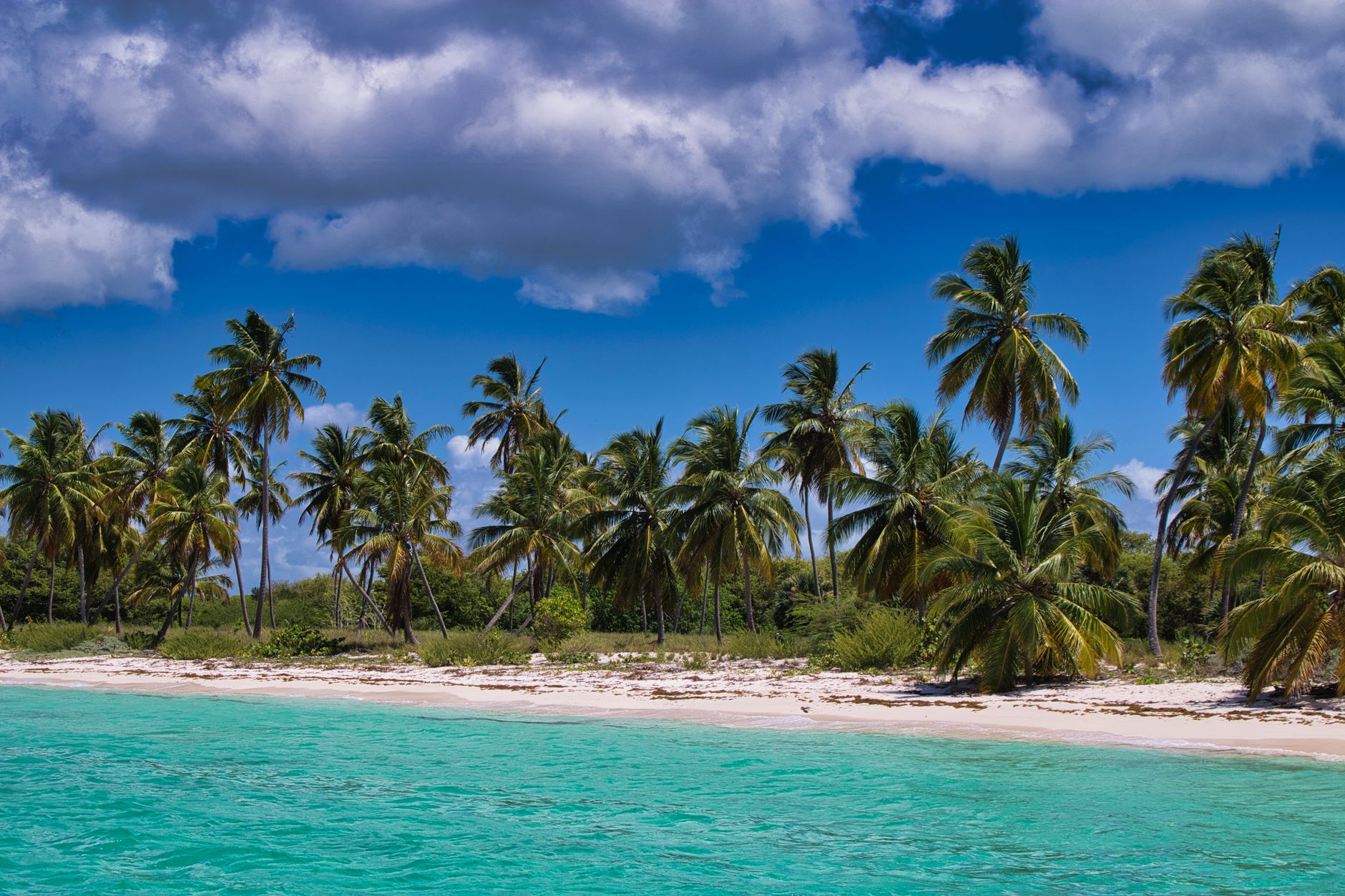
Guadeloupe's best season runs from December through May. These months feature dry weather, stable trade winds, and comfortable temperatures. December through February brings the largest number of visitors. January represents peak season with both weather and crowds at their maximum.
The dry season offers perfect beach conditions. Rainfall becomes minimal, and ocean conditions stay calm. Visibility improves for scuba diving and snorkeling. Days average sunny with occasional brief afternoon showers. Nighttime temperatures remain warm but not oppressive.
March, April, and May provide good weather with smaller crowds. Easter holidays bring some increased tourism, but nothing like December and January. Prices drop outside peak season while weather remains excellent. These months suit budget travelers seeking value without sacrificing conditions.
Hurricane Season Considerations
Hurricane season officially runs from June through November. However, major hurricanes rarely strike Guadeloupe directly. The island sits south of the typical Caribbean hurricane track. Tropical storms occasionally bring heavy rain and rough seas but rarely cause evacuation.
Accommodation prices drop significantly during summer and fall. Families traveling during school breaks enjoy lower rates in June. September and October offer the best deals but carry the most weather risk. Travel insurance becomes especially valuable during these months.
Local festivals occur throughout the year. Carnival season (pre-Lent) brings parades, music, and celebration energy. All Saints' Day celebrations honor ancestors with food and tradition. Summer provides local festivals with authentic attendees rather than tourists.
PRO TIP: If visiting June through November, book accommodations with travel insurance and flexible cancellation policies. Hurricane forecasting technology improved dramatically, so direct hits remain rare. Many travelers successfully visit during these months at substantial savings.
Getting To Guadeloupe
Best forAll travelers planning arrival and ground transportation
Most international visitors fly into Pointe-à-Pitre International Airport (PTP). This modern facility handles flights from North America, Europe, and the Caribbean. Multiple airlines offer daily service to major cities. Flight times vary from 4 hours from Miami to 8 hours from Europe.
Connections from the United States are convenient and frequent. Major carriers offer direct flights from Miami, New York, and other East Coast cities. Round-trip fares vary seasonally, ranging significantly between peak and off-season. Booking 6 to 8 weeks ahead typically yields better prices.
European travelers find excellent connections through Paris. Direct flights from Paris Orly or Paris Charles de Gaulle operate multiple times weekly. Travel time takes approximately 8 hours. EU citizens use European passports through French immigration.
Visa and Entry Requirements
Guadeloupe requires no visa for most nationalities. As a French overseas region, it follows French entry rules. US citizens, Canadians, and most Europeans need only a valid passport. Passports must be valid for at least 3 months after your intended departure date.
Return travel documents are required for entry. Travelers must present return flights or proof of onward travel. Immigration officers occasionally ask about accommodation arrangements. Honesty and clear communication help passage through immigration smoothly.
Travel insurance provides important protection despite easy entry. Medical emergencies can prove expensive, and flights get cancelled. Insurance covering cancellation, medical, and evacuation costs money well spent.
Ground Transportation
Car rentals offer maximum flexibility for exploring both islands. International driving permits work alongside your home country license. Roads are well-maintained and clearly marked. Gas stations appear regularly, though less frequently in remote areas. Driving is on the right side, like in mainland France.
Taxis connect the airport to hotels and towns. Official taxis have meter rates that are regulated and reasonable. Negotiate prices before entering unlicensed taxis. Most drivers speak French but limited English. Hotels arrange taxi service reliably.
Public buses connect major towns cheaply. Buses are colorful and filled with local character. Schedule timing is flexible, so allow extra time. Fares cost just a few euros for most journeys. Buses run most frequently between 6 AM and 6 PM daily.
Scooter rentals suit adventurous solo travelers. Two-wheelers navigate narrow streets and reach remote spots easily. Safety gear including helmets is legally required. Riders must produce valid motorcycle licenses. Scooter rentals cost approximately 25 to 40 euros daily.
PRO TIP: Rent cars for multiple days to receive better rates than daily pricing. Compare prices at the airport versus town-center rental agencies. Reserve online ahead of time and clarify insurance coverage before signing contracts.
Frequently Asked Questions

What Is the Primary Currency, and Can I Use US Dollars?
Guadeloupe uses the Euro (EUR) as its official currency since it is a French overseas region. Most businesses in tourist areas accept euros exclusively. US dollars are rarely accepted outside major resorts. ATMs dispensing euros appear throughout towns and at the airport. Exchange rates favor euros, so withdrawing local currency before arrival saves money.
Is Scuba Diving Suitable for Beginners?
Yes, the Cousteau Underwater Park offers excellent diving for all skill levels. Many dive shops near Basse-Terre offer beginner certification courses. Shallow reefs and calm conditions support new divers effectively. Experienced instructors ensure safety while teaching proper techniques. Certification courses take 3 to 4 days and cost reasonable amounts. After certification, you can dive independently throughout your stay.
What Language Should I Speak, and Do Most Locals Speak English?
French is the official language, and Guadeloupean Creole dominates local conversation. Most residents speak both languages fluently. English is spoken less frequently than in other Caribbean destinations. Resort staff and guides speak English more readily than locals in towns. Learning basic French phrases improves interactions significantly. Restaurants, taxis, and shops appreciate language efforts. Translation apps help bridge communication gaps when necessary.
How Do I Get Around Between Basse-Terre and Grande-Terre?
A narrow bridge called Pont de la Désirade connects both islands easily by car. Driving time takes just 10 minutes across the short span. Public buses also cross the bridge frequently throughout the day. Taxis will transport you between islands affordably. Many visitors rent cars to explore both islands freely. The ferry service is minimal but occasionally available for passengers between specific ports.
What Should I Pack for a Guadeloupe Trip?
Pack lightweight, breathable clothing suitable for hot, humid weather. Swimsuits (multiple sets), sunscreen, and sunglasses are essentials. A light rain jacket protects against brief afternoon showers. Water shoes or sandals work well for rocky beaches and hiking. Reef-safe sunscreen protects marine life during diving. Modest clothing covers shoulders and knees for religious sites. Bring any prescription medications with original labels. A portable phone charger stays useful throughout the day.
PRO TIP: FINAL PRO TIP: Create a rough itinerary balancing beach time, cultural activities, and adventure experiences. Most visitors spend time on both islands to experience different landscapes. A one-week trip allows sampling everything without rushing. Mix structured activities with unplanned exploration and relaxation time for the best experience.
Related Pages on Guadeloupe
Islands Near Guadeloupe