Last updated:
Guadeloupe markets showcase the island's vibrant culture and local flavors. Visitors discover fresh tropical fruits, handmade crafts, and authentic Creole products. These bustling markets operate in nearly every town across the island. Shopping in Guadeloupe markets offers travelers an authentic Caribbean experience. You'll find everything from spices to rum to colorful textiles. The energy and colors of these markets reflect island life perfectly. Tourists and locals shop side by side in these lively spaces.
Best Markets in Guadeloupe
The Marché de Pointe-à-Pitre stands as Guadeloupe's largest and most famous market. This historic market sprawls across the capital city's heart. You'll find produce stalls, fish vendors, spice merchants, and flower sellers. The market opens early in the morning and bustles until noon. Vendors call out their goods in French and Creole. The smells of tropical fruits and fresh fish fill the air. This market gives you real insight into local daily life.
Marché Saint-Antoine in Basse-Terre offers a smaller, quieter shopping experience. This colorful market features local vendors selling produce and prepared foods. The atmosphere feels more relaxed than the main market in Pointe-à-Pitre. You'll discover fresh vegetables, tropical fruits, and local spices here. Many visitors prefer this market for a less overwhelming experience. The vendors are friendly and willing to chat with tourists.
Sunday markets operate in towns throughout Guadeloupe during the best travel months. Sainte-Anne hosts a popular weekend market near the beach. Deshaies has a charming Sunday market in its town center. Saint-François features a market with both local goods and tourist items. These weekend markets bring entire communities together for shopping and socializing. They offer the most authentic glimpses into island culture and traditions.
PRO TIP: Arrive at markets before 9 AM for the best selection. Vendors often sell out by midday. Bring cash in euros, as many small vendors don't accept cards. Wear comfortable walking shoes because markets require lots of exploring.
Local Food Markets in Guadeloupe

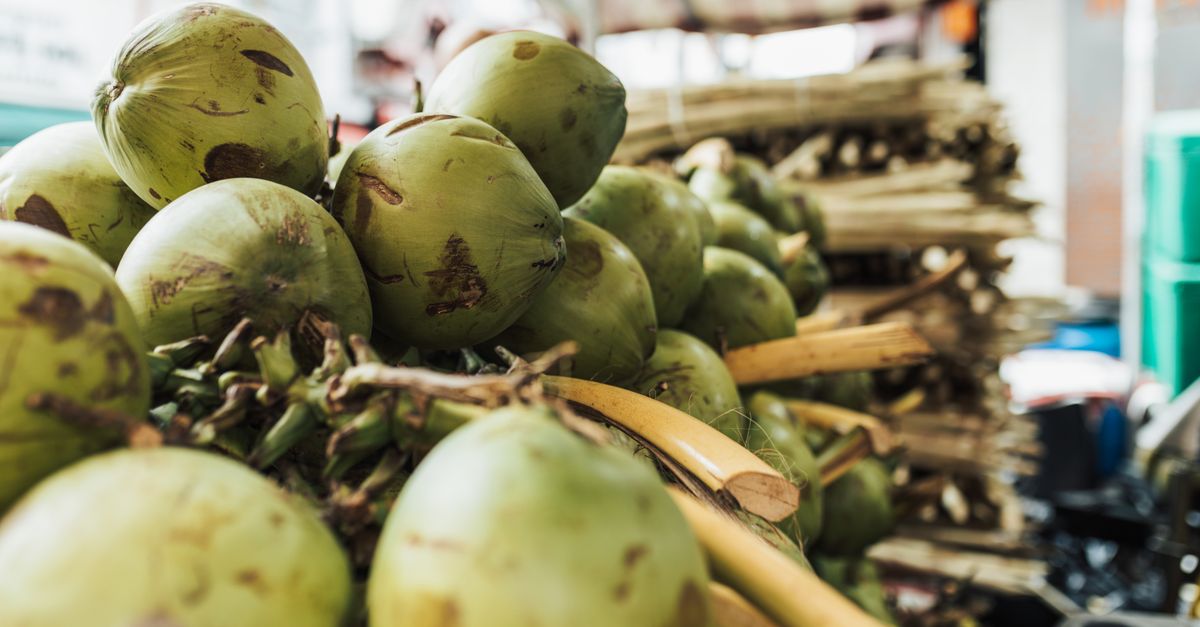
Food markets in Guadeloupe burst with tropical treasures year-round. You'll find mangoes, papayas, avocados, and bananas in incredible variety. Local vendors sell dasheen, christophenes, and other Caribbean vegetables. Fresh coconuts sit stacked high in massive piles. Fish vendors display the morning's catch on ice. Spice merchants sell vanilla, cinnamon, nutmeg, and other aromatic powders. These markets smell incredible and feel alive with activity.
The produce quality surpasses what you find in most supermarkets worldwide. Fruits here ripen in tropical sun and reach peak flavor. Local farmers grow vegetables using methods passed down for generations. You'll notice prices are quite reasonable compared to Europe or North America. Buying directly from farmers supports local communities. This shopping method feels more sustainable and meaningful.
Sample prepared foods while you shop at market stalls. Vendors offer accras (fried vegetable fritters), boudin (blood sausage), and fresh fruit drinks. These snacks cost just a few euros and taste authentic. Try local hot sauces and taste the island's culinary traditions. Many markets feature small eating areas where you can sit and enjoy meals. This experience gives you both shopping and dining in one visit.
Craft and Souvenir Shopping
Guadeloupe's artisans create beautiful handmade items reflecting Caribbean culture. You'll find woven baskets made from local fibers and palm leaves. Carved wooden sculptures show skilled craftsmanship and island themes. Local artists paint vibrant scenes of beaches, markets, and village life. Pottery workshops create unique bowls, plates, and decorative pieces. These crafts make meaningful souvenirs better than mass-produced items.
Visit artisan cooperatives in Sainte-Anne and other coastal towns. These workshops let you watch craftspeople create items in real-time. You can purchase directly from makers, ensuring fair prices. Many artists welcome questions about their techniques and inspirations. Buying directly supports working artists and their families. You'll own pieces with real stories and authentic value.
Guadeloupe's markets feature beautiful textiles and colorful fabrics. Local designs show traditional Creole patterns and bright Caribbean colors. Vendors sell clothing, scarves, and home décor items featuring these prints. Traditional madras cloth represents island heritage and makes wonderful gifts. These fabrics work for clothing, quilts, or wall hangings. The colors remain vibrant for years with proper care.
PRO TIP: Bargaining happens in some market stalls but not supermarkets. Vendors expect negotiation on items priced without clear tags. Start at 70 percent of the asking price and work toward agreement. Always be respectful and friendly during negotiations. Many vendors appreciate genuine interest in their craftsmanship.
Where To Buy Local Products

Specialty shops throughout Guadeloupe sell local products you won't find elsewhere. Rum shops offer bottles from distilleries across the island. Many shops provide tastings before purchase. Local rhum agricole represents Guadeloupe's most famous export. Each distillery creates unique flavors based on their methods. Try different brands to find your favorite before buying a bottle home.
Spice shops sell Guadeloupe's famous vanilla, cinnamon, and nutmeg. These spices grow locally and taste fresher than imported varieties. Small packets make perfect gifts for friends who cook. Chocolate shops offer locally-made treats featuring island cacao. These artisanal chocolates beat mass-produced options. Coconut oil and other beauty products made locally appeal to many travelers.
Grocery stores like Champion and Carrefour stock local products with English labels. These supermarkets offer more convenient shopping than outdoor markets. Prices run slightly higher than market stalls but quality remains excellent. You'll find packaged local goods suitable for travel home. These stores operate during standard business hours with climate control.
Visit the Musée du Rhum in Sainte-Rose to learn about rum production. The museum gift shop sells premium bottles and local specialties. Purchasing here supports cultural preservation. The museum tour adds context to your rum selection. This combines education with shopping in one meaningful visit.
Shopping Hours and Tips
Market hours vary by location but most open early morning. Outdoor markets typically operate from 6 AM to noon. Peak hours happen between 7 AM and 9 AM. Morning visits guarantee better selection and fresher products. Afternoon shopping feels calmer but offers fewer choices. Some markets close completely on Sundays, while others open only weekends.
Supermarkets maintain regular hours: usually 8 AM to 7 PM weekdays. Many supermarkets open Saturday mornings but close Sunday afternoons. Specialty shops vary widely, so ask locals about specific hours. In smaller towns, shops close for lunch between noon and 2 PM. Planning around these hours prevents disappointment.
Bring cash in euros to all outdoor markets and small shops. Most vendors don't accept credit cards. Larger supermarkets and chain stores accept cards readily. ATMs appear throughout Pointe-à-Pitre and major towns. Wear comfortable shoes because exploring markets involves lots of walking. Bring reusable bags since many vendors don't provide plastic bags.
Visit markets during the best travel months: December through May. Weather stays pleasant and markets bustle with activity. Hurricane season runs June through November, causing some disruption. Local markets function year-round but feel more vibrant during peak season. Consider your travel timing when planning shopping adventures.
PRO TIP: Download a translation app before visiting. While French and Creole are spoken, apps help communicate with vendors. Many older vendors speak limited English. Showing respect by attempting French phrases wins vendor goodwill. This makes negotiations friendlier and shopping more enjoyable.
What To Buy in Guadeloupe

Rhum Agricole stands as Guadeloupe's most iconic product. This agricultural rum differs from industrial rum production methods. The island's distilleries create premium spirits with distinct flavors. Popular brands include Rhum Bielle, Rhum Bologne, and Rhum Clément. Each distillery offers unique flavor profiles worth exploring. A bottle makes an excellent gift for spirits enthusiasts. Purchase from duty-free shops at the airport if bringing multiple bottles.
Vanilla pods grow beautifully in Guadeloupe's climate. Local vanilla tastes superior to imported varieties from other regions. Purchase whole pods for home baking and cooking projects. Vanilla extract made locally offers concentrated flavor. Small jars work well as gifts for cooking enthusiasts. Store vanilla in cool, dark places to maintain quality.
Creole spices represent essential island flavors and aromas. Nutmeg, cinnamon, cloves, and allspice all grow locally. Mixed spice blends capture traditional Creole cooking combinations. Spice packets cost just a few euros at markets. These gifts suit anyone interested in Caribbean cooking. Spices last for years when stored properly at home.
Madras fabric and clothing items carry island heritage. Colorful scarves, shirts, and dresses feature traditional patterns. Local artisans create clothing showing Caribbean creativity. Madras items cost more than mass-produced alternatives but last longer. These pieces remind you of island culture every time you wear them.
Honey and coconut products showcase Guadeloupe's agriculture. Local beekeepers produce honey with distinct tropical flavors. Coconut oil, coconut water, and coconut jam appear in markets. These products appeal to health-conscious travelers. Natural beauty products made from local ingredients work wonderfully.
Handmade pottery and wooden crafts show local artistry. Bowls, plates, and sculptures feature island themes and designs. Supporting artisans ensures money goes directly to craftspeople. These pieces become conversation starters in your home.
Frequently Asked Questions
What Is the Best Time To Visit Guadeloupe Markets?
Visit during early morning hours, between 6 AM and 9 AM, for the best selection and energy. The dry season from December through May offers pleasant weather and bustling markets. Avoid afternoons when inventory dwindles and the sun becomes intense. Sunday markets in coastal towns attract locals and tourists alike. Weekend visits often feature expanded vendor offerings and festive atmospheres. During hurricane season (June to November), some markets operate with reduced hours, though they remain open year-round.
Do I Need To Bargain in Guadeloupe Markets?
Bargaining occurs primarily in outdoor markets for items without fixed prices. Expect to negotiate on produce, crafts, and specialty items. Start your offer at about 70 percent of the asking price and work toward agreement. Supermarkets and established shops have fixed prices where bargaining doesn't apply. Respectful, friendly negotiation works better than aggressive haggling. Many vendors appreciate genuine interest in their products and background stories. Always maintain courtesy throughout any price discussions with local merchants.
What Payment Methods Work in Guadeloupe Markets?
Most outdoor market vendors accept only cash in euros. Bring sufficient cash before arriving at markets. ATMs are available throughout Pointe-à-Pitre and major towns. Supermarkets and established shops readily accept credit cards and debit cards. Some larger market vendors have started accepting mobile payment options, but cash remains safest. Currency exchange happens at the airport and banks throughout the island. Never assume card payment works; always confirm with vendors first before shopping.
Can I Take Tropical Fruits Home From Guadeloupe Markets?
Many tropical fruits from Guadeloupe can travel internationally if purchased from certified vendors. Packaged, commercially prepared fruits face fewer restrictions than fresh whole fruits. Check your destination country's import regulations before purchasing. Some fruits require special permits or inspections. Airport gift shops sell pre-packaged tropical fruits certified for international travel. Dried fruits, jams, and processed items face fewer restrictions than fresh produce. Consult customs information for your specific destination before buying fresh fruits at markets.
Are Guadeloupe Markets Safe for Tourists?
Guadeloupe's main markets are generally safe during daytime hours with normal precautions. Visit during busy morning hours when many vendors and shoppers are present. Keep valuables secure and watch belongings carefully in crowded areas. Avoid markets late in the afternoon or evening alone. Travel with companions when possible for added security. Stay aware of surroundings and trust your instincts about situations. The friendly market atmosphere and vendor presence create safe shopping environments for most visitors during appropriate hours.