
Last updated:
Guadeloupe scuba diving offers some of the Caribbean's finest underwater experiences. This French overseas region sits in the Lesser Antilles at coordinates 16.265, -61.551. Warm tropical waters surround the 1,628 square kilometer archipelago year-round. The island welcomes 384,000 residents who speak French and Guadeloupean Creole. Divers of all skill levels find exceptional reefs, vibrant marine life, and excellent visibility here. Whether you seek your first certified dive or advanced exploration, Guadeloupe delivers unforgettable underwater adventures.
Best Dive Sites in Guadeloupe
Guadeloupe features diverse dive sites suitable for every experience level. Each site offers unique geological formations, marine ecosystems, and wildlife encounters. The islands' volcanic origins create dramatic underwater landscapes. Coral gardens flourish in shallow and deep waters throughout the archipelago.
Pigeon Islands (ÎLes Des Saintes)
The Pigeon Islands rank among the Caribbean's premier diving destinations. Located off Guadeloupe's west coast, these two small islands create an exceptional marine sanctuary. The waters here reach depths of 20 to 40 meters in many locations. Divers encounter massive coral formations and abundant tropical fish. The islands' sheltered position provides calm conditions most days. Morning dives here typically offer the best visibility and water conditions.
A protective marine reserve surrounds the Pigeon Islands. This designation ensures pristine reef conditions and healthy marine populations. Access requires a short boat ride from nearby beaches. Most dive operators include Pigeon Islands in their standard packages. The site features both challenging deep dives and accessible shallow coral gardens.
Basse-Terre's Western Reefs
Basse-Terre Island's western coastline contains numerous excellent dive sites. These reefs begin in shallow waters at 5 meters depth. They extend down to 30 meters and beyond for experienced divers. Volcanic rock formations create fascinating swim-throughs and caverns. Soft corals drape these geological features in vibrant colors. Strong currents here create exciting drift dives for advanced divers.
Town of Deshaies serves as the primary access point for west coast diving. Several dive operators maintain bases in this coastal community. The calm mornings provide ideal conditions for less experienced divers. Afternoons often bring stronger currents suitable for advanced adventures. Multiple sites exist within a short boat ride of Deshaies.
La Désirade Island
La Désirade Island lies east of Guadeloupe's main islands. This location offers exceptional visibility and pristine reef conditions. The island's remote position means fewer divers visit these sites. This results in healthier coral and larger fish populations. Depths range from 15 to 40 meters across various sites. The shallow reefs support massive coral heads and dense fish schools.
Access to La Désirade requires a boat transfer from nearby islands. Dive operators arrange transportation as part of their packages. The journey takes approximately 45 minutes from Saint-François. The remoteness ensures genuine wilderness diving experiences. Advanced and intermediate divers particularly enjoy La Désirade's challenging conditions.
PRO TIP: Book your Pigeon Islands dive for early morning departures. You'll encounter calmer seas and maximum visibility. Afternoon winds can churn the surface water, reducing underwater light and creating surge.
Scuba Diving for Beginners in Guadeloupe

Guadeloupe welcomes beginner divers with excellent training facilities and ideal conditions. The warm water temperatures eliminate the need for thick wetsuits. Shallow reef systems provide perfect learning environments. Experienced instructors guide you through fundamental diving skills. You'll earn internationally recognized certifications upon course completion.
Getting Your First Certification
Most beginners start with Open Water certification. This course requires three to four days of instruction and practical training. Dive schools conduct classroom sessions on your first day. You'll learn essential skills like breathing underwater and controlling buoyancy. Confined water training follows in shallow pools or lagoons. Three open water dives complete the certification process.
Prerequisites for certification are minimal. You must be at least 10 years old and reasonably comfortable in water. No prior diving experience is necessary. Your instructor will assess your comfort level throughout training. The course teaches you safe diving practices and emergency procedures. Certification cards last your entire lifetime.
Best Beginner Dive Sites
Guadeloupe offers several excellent sites for novice divers. Shallow coral gardens in Basse-Terre provide ideal training environments. The Coral Gardens site near Malendure features depths of 5 to 15 meters. Visibility typically exceeds 20 meters in these shallow zones. Abundant fish and harmless sea turtles create exciting encounters for new divers.
The Saintes Bank offers another beginner-friendly location. This site features gradual depth increases and sandy bottom areas. Multiple coral patches provide interesting topography without overwhelming complexity. Strong currents rarely affect this protected area. Water temperatures range from 26 to 28 degrees Celsius year-round. These conditions eliminate temperature shock during your first dives.
What To Bring and Wear
Pack a light wetsuit despite warm water temperatures. Guadeloupe's waters average 27°C, but protection prevents coral scrapes. A 3-millimeter wetsuit provides adequate protection and comfort. Bring sunscreen rated for sensitive skin. Reef-safe sunscreen protects marine ecosystems. Wear water shoes to protect your feet on rocky entries and exits.
Pack a towel and change of clothes for after diving. Bring your passport for dive shop registration. Include any necessary medications in your carry-on luggage. Leave valuable jewelry at your accommodation. Most dive shops provide all equipment rental including tanks, regulators, and buoyancy compensators.
PRO TIP: Arrive at your dive shop 30 minutes early on your first day. This extra time reduces stress and allows you to ask questions. You'll feel more confident when your dive briefing begins.
Snorkeling in Guadeloupe
Snorkeling offers fantastic marine viewing without requiring certification or extensive training. Guadeloupe's clear waters and abundant coral make snorkeling rewarding for all ages. Many dive sites feature excellent snorkeling on their shallow sections. You can explore colorful fish and coral formations while staying on the surface.
Top Snorkeling Locations
The Pigeon Islands provide outstanding snorkeling opportunities. You'll float above coral gardens teeming with tropical fish species. Sea turtles frequently visit shallow areas for feeding. The visibility often exceeds 25 meters on clear days. Access to snorkeling spots requires a short boat ride from nearby beaches.
Malendure Beach offers accessible snorkeling from shore. Wade into shallow water and immediately encounter coral formations. Small schools of parrotfish and surgeonfish populate this area. The beach provides full amenities including food-restaurants and rental shops. No boat transportation is necessary, making this ideal for families with young children.
Grande-Anse Beach near Deshaies features calm snorkeling waters. Shallow reefs extend from the shoreline into deeper areas. Children can explore safely in water depths of 2 to 5 meters. Adults find more challenging reefs and deeper sections nearby. The beach has excellent facilities and several beachside restaurants.
Snorkeling Tips and Safety
Always wear reef-safe sunscreen to protect coral ecosystems. Apply sunscreen 15 minutes before entering water. Reapply every two hours or after swimming. Wear a snorkel vest if you're not a confident swimmer. These vests provide flotation without restricting movement. Never touch coral or disturb marine animals.
Respect marine life by maintaining distance from sea creatures. Do not chase or attempt to pet turtles. Keep noise levels low and move slowly to avoid startling fish. Check weather conditions before snorkeling. Calm mornings generally offer better visibility than afternoon hours. Bring plenty of fresh water to stay hydrated.
Dive Schools and Operators
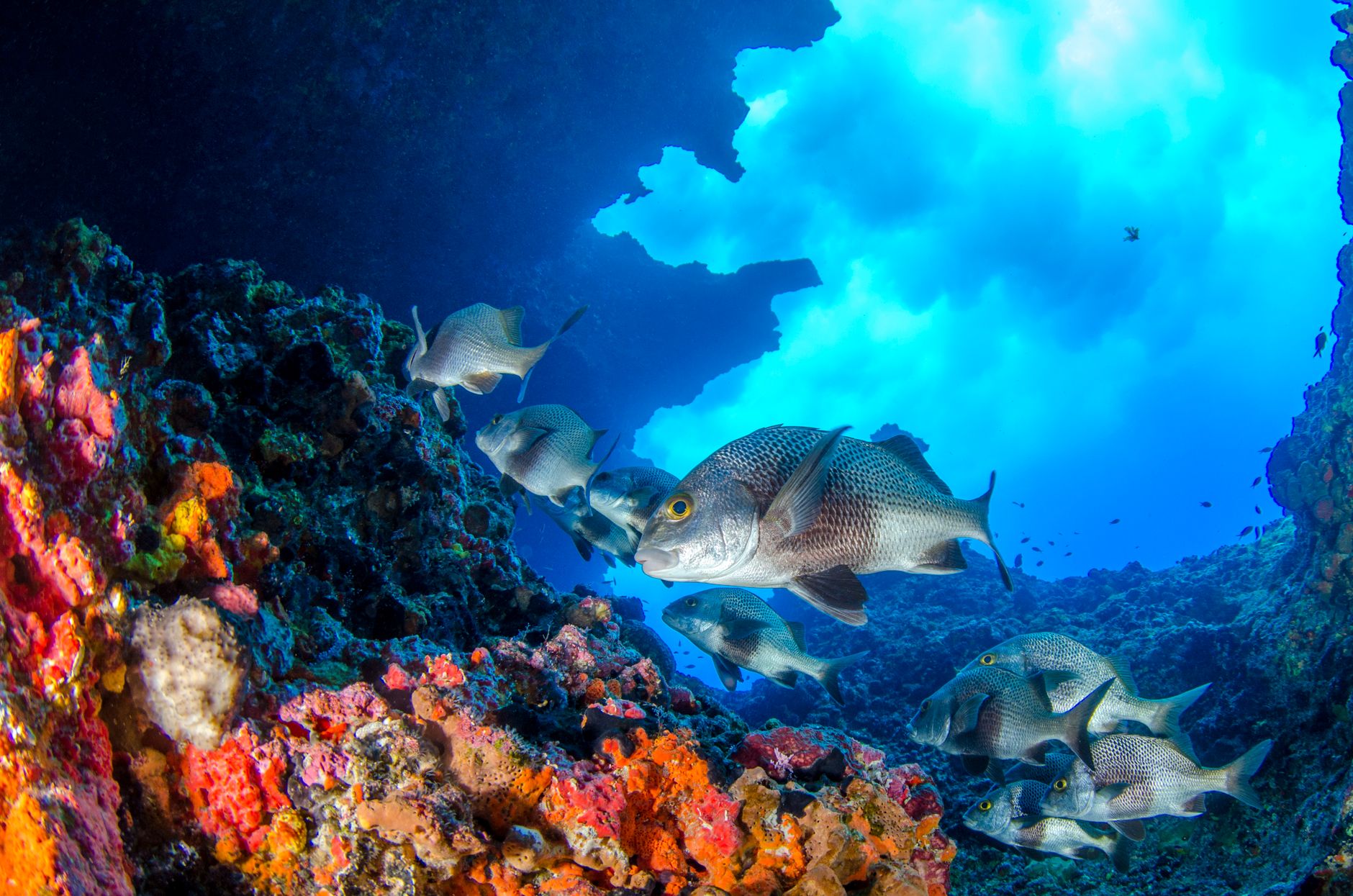
Guadeloupe hosts numerous professional dive operations serving recreational and technical divers. These schools employ certified instructors and maintain modern equipment. All reputable operators follow international safety standards. You'll find dive shops near major resort areas and coastal towns.
Finding a Reputable Dive Shop
Look for operators certified by internationally recognized agencies. PADI, NAUI, and SSI provide recognized certifications. Check for current insurance and safety equipment. Ask about instructor credentials and experience levels. Read recent reviews from other divers who've used their services. Request references if you have concerns or special needs.
Visit the dive shop in person before booking. Observe equipment maintenance procedures and overall cleanliness. Ask questions about their dive site selection and safety protocols. Professional operators encourage your questions and provide detailed answers. They should explain their emergency procedures clearly. Never book with operators who rush through safety briefings.
What Dive Operators Provide
Most Guadeloupe scuba diving operators include all basic equipment in their packages. Tanks, regulators, buoyancy compensators, and weights are provided. Some shops rent specialty equipment like underwater cameras. Most include air or nitrox fills in their packages. Boat transportation to dive sites is always included.
Operators typically offer dives in the morning and afternoon. Morning departures usually occur between 8 and 9 AM. Afternoon dives generally depart around 1 or 2 PM. Most operators provide light snacks and fresh water during boat trips. Always clarify what meals and beverages are included before booking.
PRO TIP: Ask your dive operator about their maximum group sizes. Smaller groups receive more personalized attention and better pacing. Groups of 6 divers or fewer typically provide superior experiences than larger tours.
What You Will See Underwater
Guadeloupe's underwater ecosystems display incredible biodiversity. Healthy coral reefs support thousands of fish species. You'll encounter marine life ranging from tiny crustaceans to large predators. The volcanic origins of these islands create unique geological formations.
Coral Species
Massive coral heads dominate shallow reef zones. These formations grow slowly over many decades. Brain coral creates intricate patterns and provides shelter for small fish. Elkhorn and staghorn corals form branching structures throughout mid-depth zones. Soft corals sway gracefully in current-swept areas. Gorgonians display vibrant colors and delicate movements.
Fish Species
Tropical fish schools create spectacular underwater displays. Parrotfish munch on coral and rocks, creating sand in the process. Surgeonfish graze on algae-covered reef surfaces. Groupers hide in crevices, hoping to ambush passing prey. Snappers hover above the reef, watching for feeding opportunities. Chromis and damselfish dart among coral branches.
Larger fish add excitement to deeper dives. Jacks sometimes appear in tight schools near current zones. Barracudas patrol reef edges with characteristic intensity. Nurse sharks rest on sandy bottom areas during daytime hours. These sharks are docile and avoid human interaction. Eagle rays glide gracefully through mid-water spaces.
Marine Turtles and Other Wildlife
Sea turtles frequent Guadeloupe's reefs for feeding. Hawksbill turtles browse on coral and sponges. Green turtles visit deeper areas for seagrass meals. Loggerhead turtles occasionally pass through these waters. Observe turtles from distance without attempting contact. They become stressed by close human approach.
Octopuses hide in reef crevices during daytime. You might spot one at night or during early morning dives. Seahorses hide in seagrass beds on sandy areas. Moray eels peek from their rock homes, observing passing divers. Lobsters and crabs scuttle across the reef floor. Numerous small shrimp species live in coral branches.
Best Time To Dive in Guadeloupe
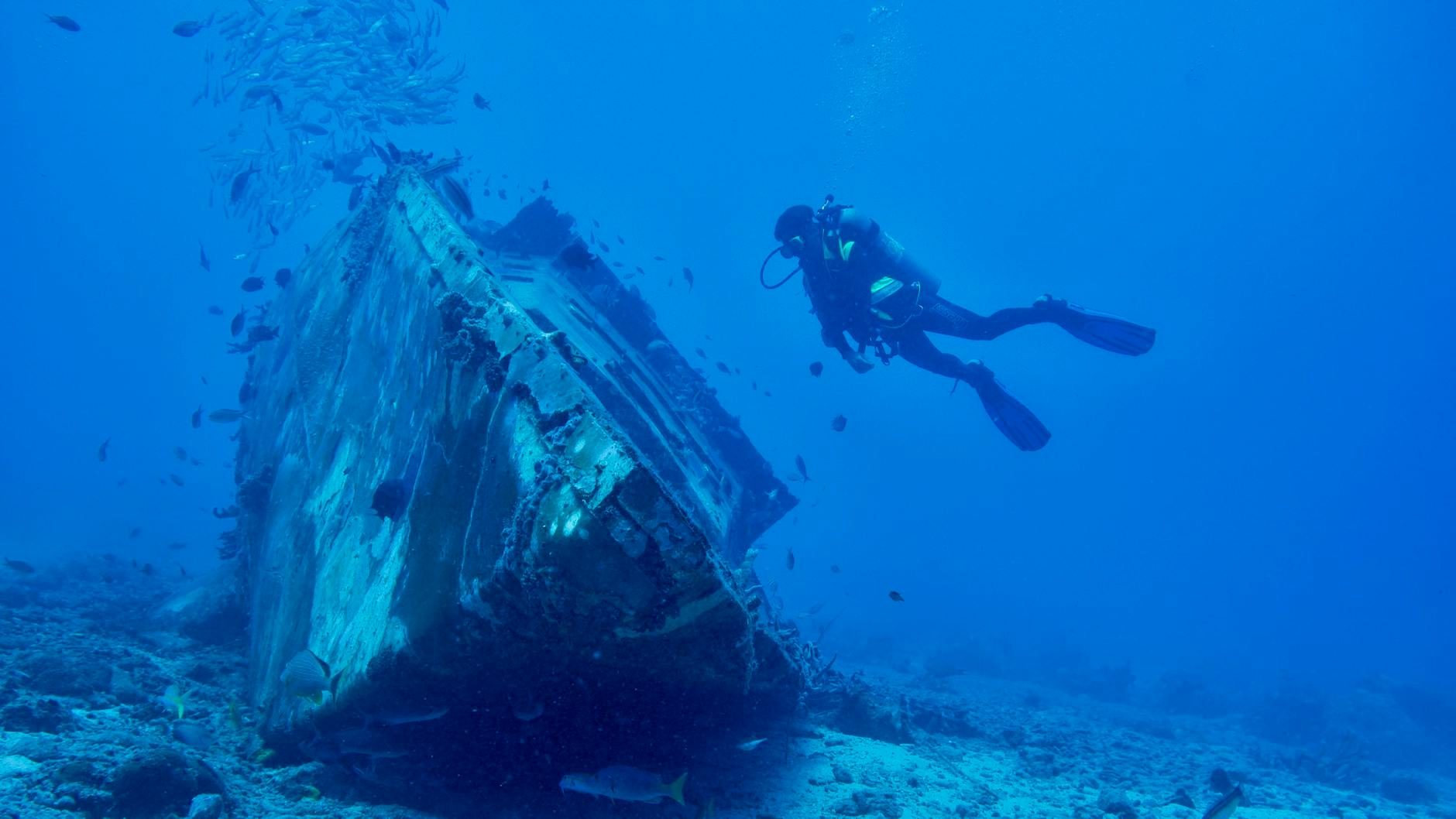
The dry season provides the best diving conditions. December through May offers warm water and calm seas. This period coincides with optimal visibility throughout the island. Hurricane season runs from June through November, bringing less predictable conditions.
Seasonal Dive Conditions
December and January deliver peak conditions. Water temperatures hover near 27°C, ideal for tropical diving. Visibility frequently exceeds 30 meters on clear days. Morning dives typically offer the calmest seas. Light winds mean minimal surface chop. These months attract the most divers to Guadeloupe.
February through May continue excellent conditions. Water temperatures remain consistently warm. Visibility stays excellent on most days. Slightly smaller crowds visit during these months compared to December and January. The trade winds remain steady and predictable. Afternoon winds may increase slightly in May.
June through November presents more variable conditions. Water temperatures climb to 28 to 29°C at peak summer. Afternoon thunderstorms become more frequent. Tropical depressions and hurricanes can occur, forcing dive cancellations. Some smaller operators close during autumn months. Divers who visit during this season should maintain flexible schedules.
Weather Patterns and Visibility
Morning dives consistently offer better visibility than afternoon dives. Early departures mean fewer weather systems have developed. Surface conditions remain calmest before midday winds arrive. Most divers book morning slots during peak season. Afternoon dives become attractive during slower periods when prices drop.
Rainfall occasionally reduces visibility temporarily. Heavy storms can stir up fine sediment and reduce sight distances. These conditions typically clear within hours after rain ends. Visibility returns to normal on the following day. Plan alternative activities if visibility is poor during your visit.
PRO TIP: Travel during shoulder season (April and May) for fewer crowds and lower prices. Diving conditions remain excellent, and you'll find more personalized attention from operators and guides.
Frequently Asked Questions
How Deep Can I Dive in Guadeloupe?
Most recreational dive sites in Guadeloupe range from 5 to 40 meters deep. Beginner divers typically explore depths of 12 to 18 meters during their first dives. Intermediate divers comfortably handle depths of 30 to 40 meters with proper training. Advanced divers with appropriate certifications can explore deeper locations beyond 40 meters. Always follow your certification limits and your dive guide's recommendations. Depth depends on your training, experience, and dive site conditions. A qualified dive guide will match site depth to your skill level during site briefings.
Do I Need Travel Insurance for Diving in Guadeloupe?
Travel insurance is highly recommended for any diving trip. Dive-specific insurance covers medical treatments related to diving emergencies. Standard travel insurance often excludes diving activities. Divers Alert Network (DAN) offers comprehensive diving insurance options. This coverage includes decompression illness treatment and evacuation costs. Medical care in Guadeloupe is expensive without insurance. Many dive operators require proof of insurance before accepting divers. Obtain insurance before your trip departs. Insurance policies typically cost between 50 to 200 euros for a week-long trip.
What Marine Creatures Should I Avoid While Diving?
Sea urchins hide in crevices and coral branches. Never touch reef structure or place hands in unknown spaces. Stonefish blend with rocky areas and deliver painful stings if stepped on. Wear protective footwear when wading and entering the water. Lionfish have venomous spines but rarely interact with divers. Maintain distance from all marine life, allowing them space to escape. Fire coral creates painful stings similar to jellyfish. Avoid touching any coral structure. Portuguese man o' wars float on the surface near beaches. Respect all marine animals by observing from safe distance. No dangerous creatures typically attack unprovoked divers in Guadeloupe.
Can I Dive If I Have Asthma or Other Medical Conditions?
Certain medical conditions are incompatible with diving safety. Asthma is generally considered a contraindication for recreational diving. Uncontrolled respiratory conditions increase the risk of serious complications. Consult a diving medicine physician before diving with any health concerns. Most dive shops require completed medical questionnaires before certification. Answer all medical questions honestly and completely. A doctor's clearance may be required for some conditions. Pregnancy, heart conditions, and seizure disorders also contraindicate diving. Some conditions allow diving after successful medical evaluation and clearance. Never misrepresent your health status to dive shops or instructors.
How Much Does Guadeloupe Scuba Diving Cost?
Dive costs vary depending on the operator and experience level. Beginner certifications typically require significant investment for instruction and training dives. Recreational dives from established shops run between 60 to 150 euros per dive. Package deals for multiple dives usually offer better pricing. Specialty courses add fees beyond basic recreational dives. Equipment rental adds costs if you don't own your own gear. Resort packages sometimes include discounted diving rates. Budget additional funds for transportation to the dive shop and casual meals. Prices fluctuate seasonally with higher rates during peak tourist months.