
Last updated:
Guadeloupe offers incredible Guadeloupe things to do for every type of traveler. This French Caribbean island combines tropical beaches with adventure activities. You will find world-class diving spots and lush mountain hikes. The island welcomes solo travelers, families, and couples year-round.
With 1,628 square kilometers of land, Guadeloupe rewards exploration. The island sits in the Lesser Antilles at coordinates 16.265, -61.551. Its population of 384,000 people creates a vibrant local culture. Both French and Guadeloupean Creole are spoken throughout the island. The Euro is the official currency here.
Best Beaches in Guadeloupe
Guadeloupe has some of the Caribbean's finest beaches. Plage de la Caravelle in Sainte-Anne offers soft white sand. The water here is calm and perfect for swimming. Families love this beach because lifeguards patrol regularly. The beach has food-restaurants and facilities nearby.
Plage de Malendure on the west coast attracts snorkelers. You can see coral reefs just offshore. The beach sits near volcanic black sand areas. Bring reef shoes to protect your feet. Sunsets here are stunning and worth the visit.
Anse-Bertrand at the island's northern tip stays less crowded. Surfers enjoy the Atlantic swells here. Solo travelers appreciate the peaceful atmosphere. The small village nearby serves fresh seafood. Arrive early to find good parking spots.
Grande-Terre's beaches draw the most visitors. Plage de Gosier offers easy access from the capital. The sand is fine and the water is warm year-round. You will find water sports equipment rentals here. Couples enjoy romantic evening walks on this beach.
Deshaies Beach on the northwest coast remains calm and protected. Tall palm trees provide natural shade. Local vendors sell fresh coconut water here. The nearby town has colonial architecture worth exploring. This beach works well for families with young children.
PRO TIP: Visit beaches early morning to avoid crowds and secure parking. Bring reef-safe sunscreen to protect coral ecosystems. Most beaches have small shops selling snacks and drinks, but prices are higher than town stores.
Outdoor Activities in Guadeloupe

Hiking in Guadeloupe reveals incredible natural beauty. La Soufrière volcano offers the most popular mountain trek. The hike takes about two hours to reach the summit. You will pass through rainforest and emerge above the clouds. Bring plenty of water and wear proper hiking boots.
The trail starts in the town of Saint-Claude. Park your rental car at the official trailhead. Early morning starts help you avoid afternoon rain. Adventure seekers report the view from the top as unforgettable. The sulfur vents at the peak smell strong but create a unique experience.
Chutes du Carbet offers three waterfall hikes in one area. The first waterfall is an easy 15-minute walk. The second requires 45 minutes and moderate effort. The third waterfall demands serious climbing ability. All three waterfalls plunge into natural pools perfect for swimming.
Basse-Terre's rainforest interior contains undiscovered trails. Hire a local guide to navigate safely. You will spot rare birds and tropical plants. Solo travelers often feel nervous in remote areas, but guides make it safe. The canopy covers and protects you from sun and rain.
Pointe des Châteaux at the eastern tip offers coastal walking paths. The rock formations create dramatic photo opportunities. The hike takes just 20 minutes and requires no special equipment. Families can manage this easy trail easily. The views of neighboring islands are spectacular.
Water Sports in Guadeloupe
Scuba diving in Guadeloupe ranks among the Caribbean's best. The island has excellent dive sites around both coasts. Pigeon Island Marine Park offers protected coral reefs. Visibility typically reaches 20 to 30 meters. Divers see tropical fish, sea turtles, and occasional sharks.
Jacques Cousteau Marine Park preserves pristine underwater environments. Multiple dive operators offer certification courses here. The park sits off the coast of Basse-Terre. Water temperatures stay around 27°C year-round. Both beginners and advanced divers find suitable sites.
Snorkeling works well for people who do not dive. You need only a mask, snorkel, and fins. The reefs start just meters from many beaches. Malendure Beach provides easy snorkel access. Families with children can snorkel in shallow areas safely.
Kitesurfing takes advantage of Guadeloupe's steady trade winds. The east coast near Anse-Bertrand has consistent conditions. Several schools teach beginners the sport. You need several hours of instruction before going solo. Adventure seekers find this challenging but rewarding.
Surfing works best from September through April. The Atlantic coast receives regular swells during these months. Anse-Bertrand and Deshaies break offer beginner-friendly waves. Local shops rent boards and teach lessons. The water stays warm enough year-round to skip wetsuits.
PRO TIP: Book dive trips early in the morning for the best conditions. Bring a rash guard or light wetsuit even though water is warm. Most water sports operators provide equipment, but bring your own if you have preferences.
Things To Do in Guadeloupe at Night
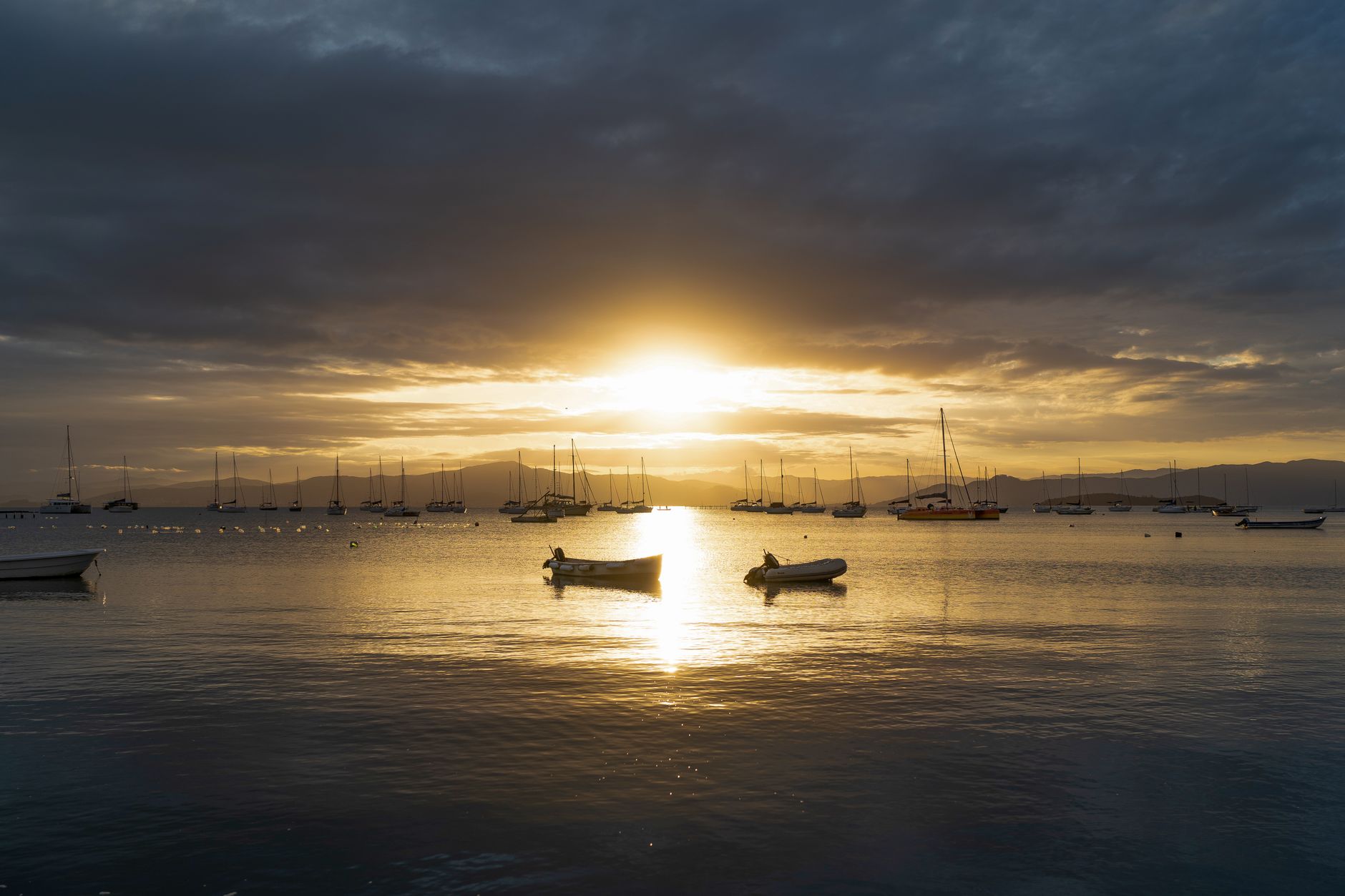
Guadeloupe's nightlife centers on Pointe-à-Pitre and Gosier. Local bars and restaurants stay open late. Live music featuring traditional Creole sounds happens regularly. Couples enjoy romantic dinners overlooking the ocean. Solo travelers find friendly atmospheres in popular venues.
The Gosier waterfront district transforms after sunset. Beach bars serve tropical cocktails and fresh seafood. Local Creole music and dance performances entertain visitors. Friday and Saturday nights draw the biggest crowds. The atmosphere feels lively but relaxed.
Casino Gosier offers gaming, entertainment, and dining. The facility hosts live shows and concerts. Dress codes require smart casual clothing. The venue attracts both tourists and locals. Couples celebrate special occasions here frequently.
Street festivals occur throughout the year in various towns. Carnival season from January to March brings parades and parties. Music festivals happen in December and February. These events showcase local culture and authentic Creole traditions. Families enjoy daytime events while couples prefer evening celebrations.
Rum distillery tours sometimes include evening tastings. Rhum Agricole producers offer educational visits. You learn about traditional production methods. The tasting rooms serve local beverages and snacks. Tours typically finish by early evening. Solo travelers enjoy these cultural experiences.
Things To Do in Guadeloupe With Kids
The Guadeloupe Aquarium in Pointe-à-Pitre educates and entertains. Children see tropical fish, sea turtles, and sharks. Interactive exhibits teach about marine ecosystems. The facility stays cool and air-conditioned. Plan at least two hours for a full visit.
Papillon Beach Park near Gosier has water slides and pools. Young children have a dedicated shallow area. Lifeguards watch all swimming zones. Food vendors sell meals and snacks. Families can spend a full day here easily.
La Vallée des Papillons (Butterfly Valley) in Bouillante fascinates children. Hundreds of butterflies fly freely in enclosed gardens. Children can walk through and observe these insects. Photography opportunities are excellent. The visit takes about 45 minutes.
Deshaies Zoo houses local and tropical animals. Kids see monkeys, tropical birds, and reptiles. The facility is small but well-maintained. Shaded pathways protect visitors from intense sun. Most children enjoy two to three hours here.
Beach activities keep families entertained easily. Sand castles, swimming, and snorkeling work for all ages. Plage de la Caravelle has calm water perfect for small children. Several beaches offer equipment rentals. Pack snacks and plenty of water for full beach days.
Free Things To Do in Guadeloupe
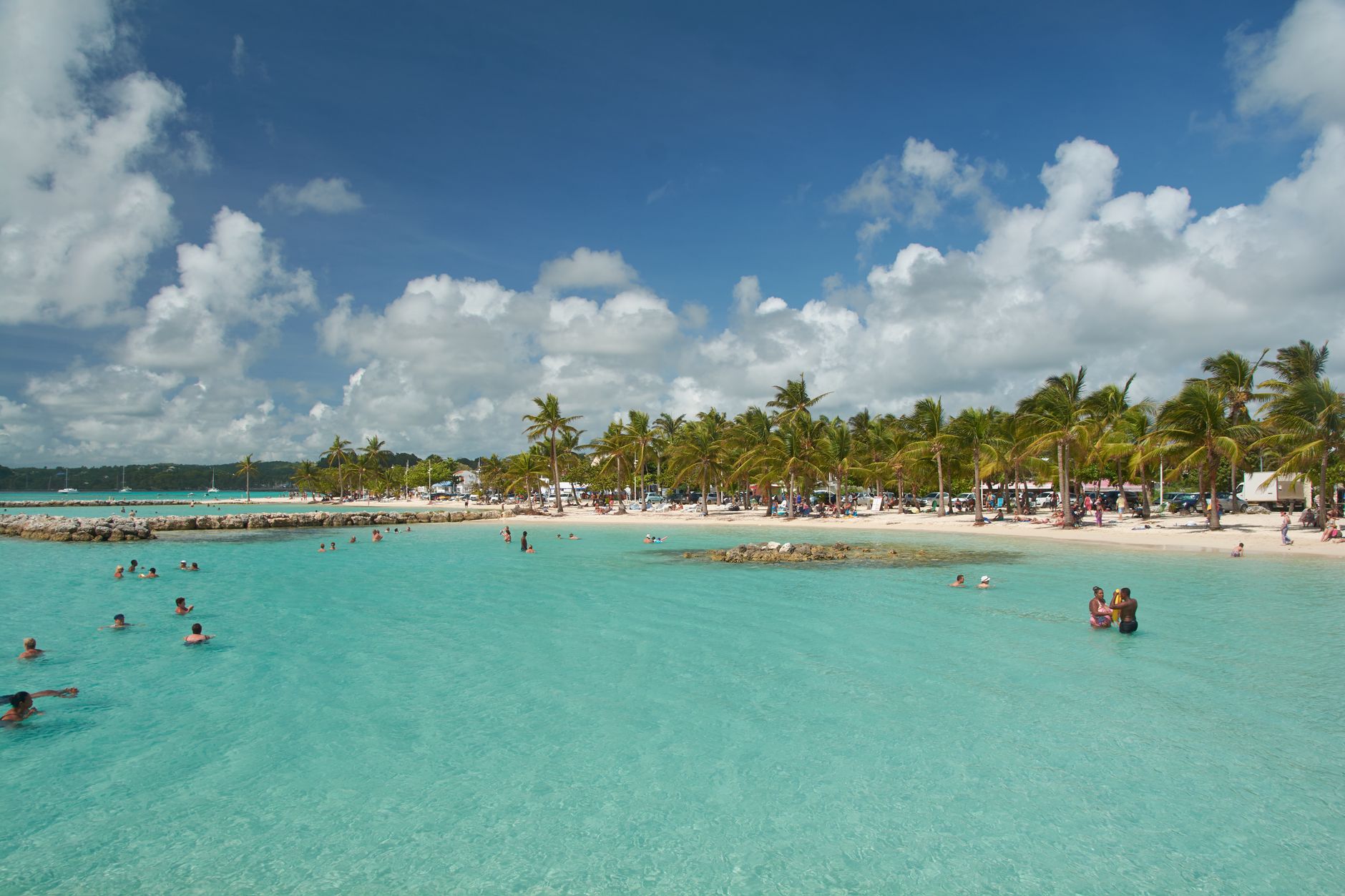
Beach visits cost nothing in Guadeloupe. Most public beaches allow free access. You pay only for parking, which typically costs a few euros. Bring your own food and drinks to save money. Solo travelers and families appreciate free beach time.
Hiking trails often require no entrance fees. La Soufrière volcano hikes are free to explore. Chutes du Carbet waterfall areas do not charge admission. Pointe des Châteaux coastal walks cost nothing. You only need transportation to reach trailheads.
Walking through town centers explores local culture. The historic district of Pointe-à-Pitre shows colonial architecture. You see colorful buildings, markets, and local life. No tour groups needed. Solo travelers enjoy wandering at their own pace.
Markets in Pointe-à-Pitre and Basse-Terre operate daily. You can wander and observe without buying. Fresh produce, local crafts, and spices are on display. Early morning visits show the most activity. The experience is authentic and costs nothing.
Rum distillery grounds often allow free walking. You can observe production from outside. Some distilleries have free admission areas. Only tours cost money. Families enjoy learning how rum is made.
PRO TIP: Eat at local cafes instead of tourist restaurants to save 30-50 percent. Buy groceries at supermarkets and have beach picnics. Visit towns on regular weekdays for authentic experiences and smaller crowds.
Day Trips From Guadeloupe
Les Saintes islands sit just 15 kilometers south. Take a ferry from Trois-Rivières or Basse-Terre town. The journey takes 30 to 45 minutes. Terre-de-Haut island offers beautiful beaches and French colonial charm. The village feels like stepping into the past. Ferry costs typically run around 15 euros round trip.
Marie-Galante island lies 30 kilometers southeast. Ferries depart from Pointe-à-Pitre and Saint-François. The crossing takes 45 minutes. The island specializes in rum production and quiet beaches. Several rum distilleries welcome visitors. The island atmosphere feels sleepy and authentic.
La Désirade island is the oldest Caribbean island geologically. The ferry journey takes about 30 minutes. Small villages offer simple accommodations and local restaurants. White sand beaches attract few tourists. Adventure seekers appreciate the undeveloped character.
Îles de la Petite Terre is an uninhabited nature reserve. Boat tours depart daily from Saint-François. The journey takes one hour. You will see pristine beaches and wildlife. Swimming and snorkeling are the main activities. The island gets crowded with tour groups, but remains beautiful.
Dominica lies 40 kilometers north across the Caribbean Sea. Fast ferries make the 60-minute crossing. Dominica offers waterfalls, diving, and hiking. Day trips work but overnights are better. The journey costs about 50 to 60 euros round trip. Both Guadeloupe and Dominica are French islands with different characters.
Frequently Asked Questions
What Is the Best Time To Visit Guadeloupe for Activities?
December through May offers the best weather for outdoor activities. This period has lower humidity and less rain. Average temperatures stay around 27°C. Sea conditions are calmest for water sports. June through November brings hurricane season with more rainfall. However, prices drop significantly in summer months. Families often choose school holiday periods like Christmas and Easter.
How Do I Get Around Guadeloupe To Do Activities?
Renting a car provides the most flexibility for exploring. Rental companies operate at Pointe-à-Pitre International Airport. Gasoline costs are similar to European prices. Roads are well-maintained but traffic can be heavy near cities. Public buses run regularly between main towns at low cost. Taxis are available but expensive for full-day trips. Many hotels arrange car rentals. Solo travelers often share rental cars with other guests to split costs.
Do I Need Any Special Equipment or Training for Water Activities?
Snorkeling requires only basic equipment you can rent locally. Scuba diving requires certification, which operators offer through courses. Kitesurfing and surfing need lessons from instructors. Hiking needs proper shoes and water bottles. Most activities have beginner options requiring no prior experience. Hotels rent snorkeling and beach equipment. Adventure seekers should book activities through established operators for safety.
What Should I Bring for Activities in Guadeloupe?
Reef-safe sunscreen protects skin and coral ecosystems. Lightweight clothing suits the warm climate. Hiking requires sturdy boots and plenty of water. A snorkel mask and fins can be brought from home or rented. Insect repellent helps in rainforest areas. Waterproof bags protect electronics during water activities. The sun is intense, so hats and sunglasses are essential. Quick-dry clothing works well for water sports days.
Are Activities in Guadeloupe Expensive Compared To Other Caribbean Islands?
Guadeloupe costs less than some Caribbean islands due to its French connection. Many activities are free or low-cost, like beaches and hiking. Water sports and guided tours cost more than other regions. Food and accommodation prices are moderate for the Caribbean. Families on budgets can eat at local cafes instead of tourist restaurants. Renting cars is affordable compared to booking tours. Solo travelers and couples find good value in guesthouses and smaller restaurants.